Tack Blog

Documenting the journey of building Tack, sharing insights on the event and productivity industry, and some other tidbits along the way.

  • 3 Ways to Improve Attendee Engagement at Your Next Trade Show

    Bold Designs & Interactive Tech
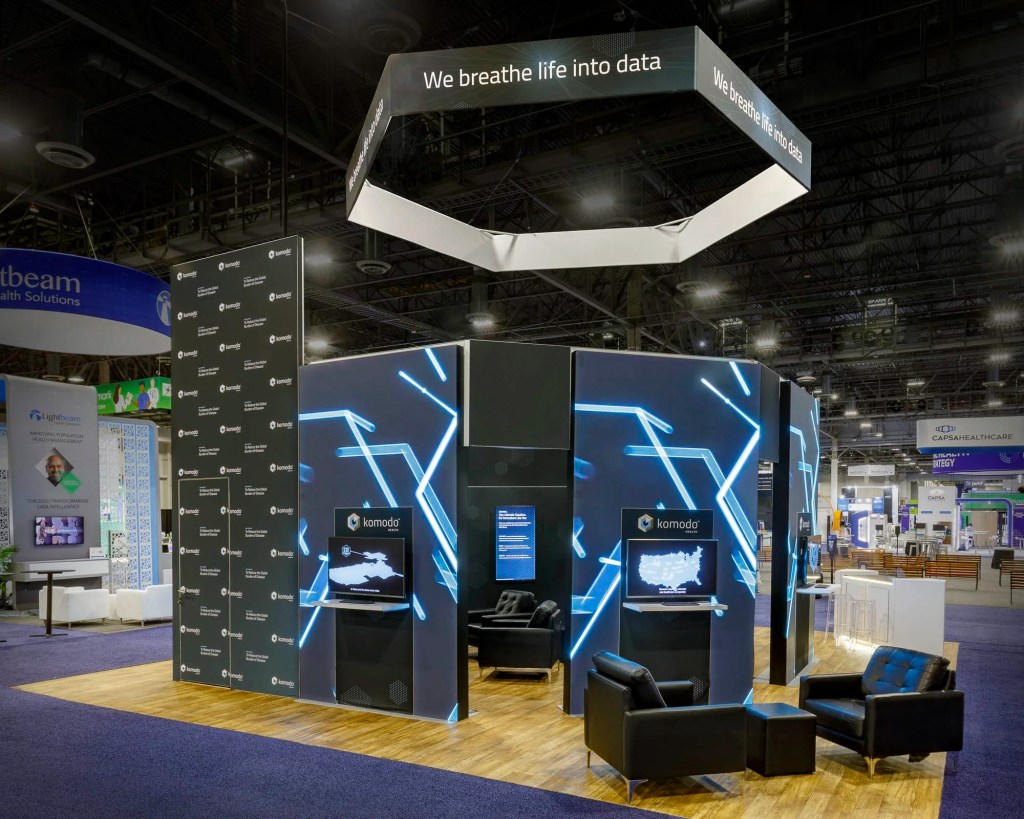
    It’s 2026. People attending trade shows and conferences these days are expecting to be WOWed by vendors, all vying for their attention. A card table with a couple 3D printed gizmos and some company swag isn’t going to cut it.

    As technology continues to evolve at light-speed, modern booth & display design has expanded beyond visual appeal into the realm of experience. Attendees at events where cutting-edge tech is being displayed expect interactive systems that react to them in real time.

    These days, booths aren’t static, they’re responsive environments. Here’s what that looks like in practice:

    1. Immersive Visual Anchors

    Large-format LED walls, projection mapping, dynamic lighting, and kinetic displays instantly differentiate your booth from the sea of drab tables with branded signage.

    Instead of a looping slideshow, think:

    • Short-form, high-impact motion graphics
    • Real-time data visualizations
    • Welcome screens or animations

    Movement catches attention, and attention is the currency that drives success (or failure) at live events.

    2. Touch, Don’t Tell

    Passive brochures are dead. If someone can interact with your product, they’ll remember it.

    Modern interactive elements might include:

    • Touchscreen kiosks with guided demos
    • Product configurators that let attendees build their own solution
    • Quick 30-second “self-diagnosis” quizzes that deliver tailored recommendations
    • NFC or badge-triggered experiences that unlock custom content

    The more agency you give the attendee, the more invested they become.

    3. The Bridge: From Interaction to Action

    Here’s where most vendors still drop the ball. Many modern exhibitors do invest in attention-capturing displays, but the momentum still runs out.

    Every immersive moment should have a frictionless next step:

    • One-scan access to resources
    • Instant CRM-integrated lead capture
    • Follow-up content delivered right before the attendee leaves

    Because the goal isn’t just to impress or draw attention. You’re there for real-time connection that grows your network, your brand, and your business.

    Upgraded QR codes
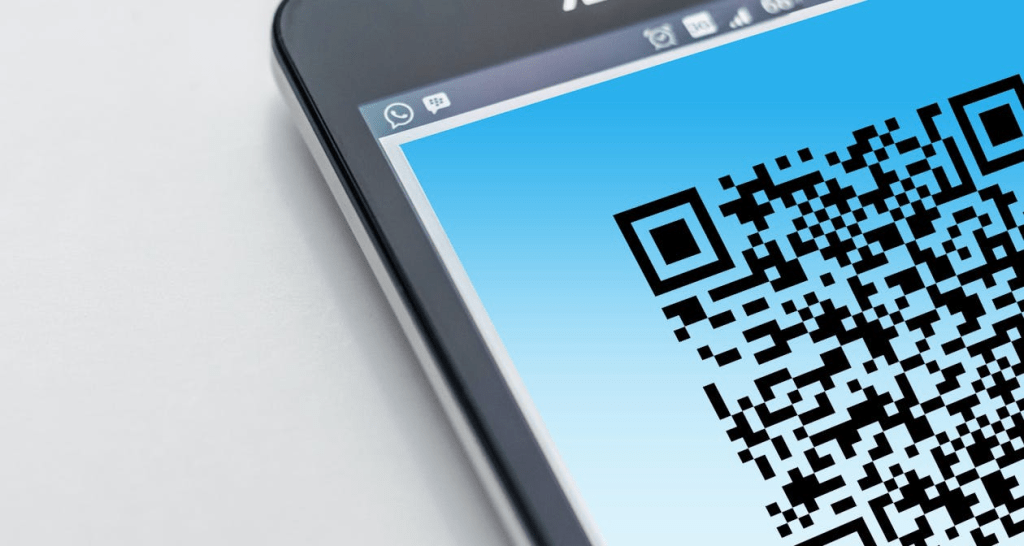
    QR codes that go to a generic corporate homepage are as archaic as handing out paper flyers. Attendees expect friction-free, immediate value delivered straight to their mobile devices. The modern QR code has evolved from a simple URL redirect into a powerful, multi-functional engagement tool.

    Some examples:

    1. Frictionless Digital Content Sharing

    Gone are the days of making attendees lug around heavy promotional folders or branded USB drives. If they scan a code, they expect the assets in their hands instantly. Modern digital delivery might include:

    • High-res product pitch decks, pricing sheets, contacts
    • On-demand video demos they can review on the flight home
    • Testimonials & case studies

    2. Dynamic Link Directories

    Why limit an eager prospect to a single destination? Upgraded QR codes now route attendees to personalized digital hubs. Instead of a dead-end homepage, think:

    • Curated landing pages tailored to specific booth interactions
    • Centralized menus featuring product links, case studies, and booking calendars
    • Interactive hubs that let the attendee choose their own journey

    3. Instant Contact Swapping

    The paper business card is officially a relic. When it comes to networking, speed and accuracy are everything. Modern QR deployments facilitate a seamless, two-way exchange of information. Every networking moment should feature:

    • One-tap vCard downloads that save your info directly to their phone
    • Live lead-capture that syncs instantly with your CRM
    • Automated follow-up prompts sent via text or email the moment you connect

    The best tool to put all of that in one place is Tack.

    Tack lets you create lightweight digital hubs to enable instant scan-to-CRM functionality; making sure you never lose any leads, and your audience gets everything they need from a single scan. Updates are real-time, so you never look unprepared with dead links or scans that don’t work.

    Prizes & Giveaways
    Prizes & Giveaways

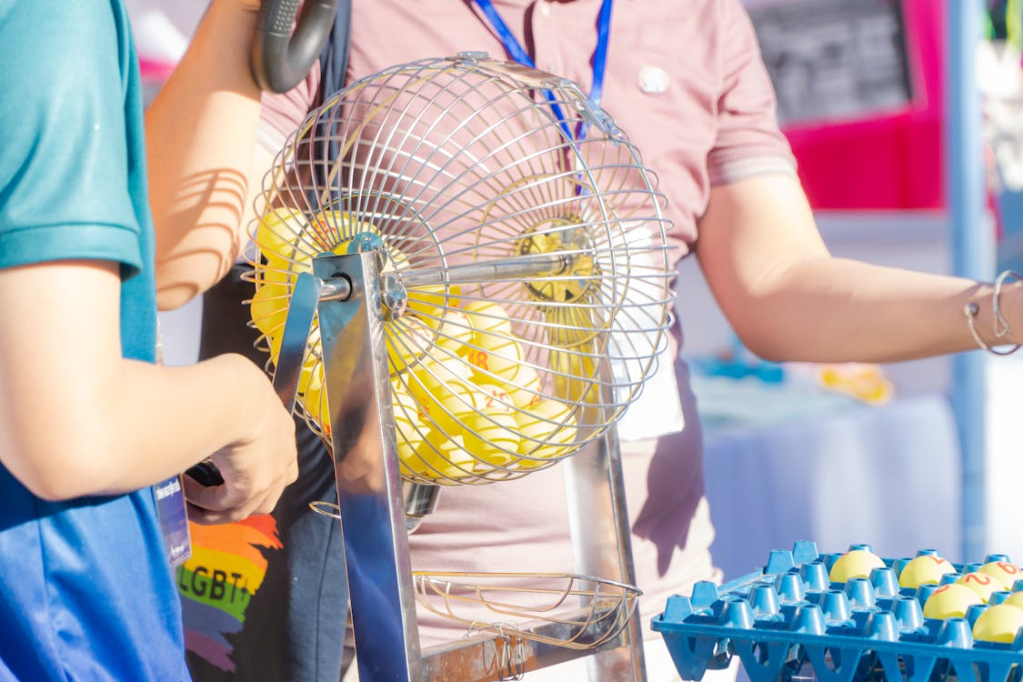
    In 2026, the era of the mindless “swag grab” is officially over. Attendees don’t want another cheap branded stress ball or flimsy tote bag to abandon in their hotel room. To stand out on a crowded show floor, vendors must shift from handing out mass-produced plastic to offering memorable, high-value rewards.

    These days, giveaways aren’t just freebies; they are engagement drivers. Here’s what that looks like in practice:

    1. Gamified Reward Systems

    The acrylic business card fishbowl is dead. If you want to give away a high-ticket item, make attendees earn it through engagement. Gamification turns passive foot traffic into active participants who spend more time interacting with your brand. Modern interactive giveaways might include:

    • AR-powered scavenger hunts hidden within your booth’s physical footprint
    • Real-time trivia leaderboards displayed on overhead LED screens
    • Puzzles & riddles that can only be solved with your tool or company trivia. When attendees compete, they stick around, and that sustained attention will attract others who want to see what the buzz is about.

    2. High-Value Digital Bounties

    Sustainability and convenience are king. Instead of forcing attendees to lug heavy promotional items through an airport, modern vendors are pivoting to premium, zero-waste digital rewards. Instead of a branded pen, think:

    • 6-month subscriptions to premium industry tools or software
    • Token-gated digital passes that unlock access to a VIP networking lounge or after-party
    • High-tier digital gift cards for coffee or rideshares triggered instantly via a smart-badge scan The best trade show swag doesn’t take up space in a suitcase; it takes up space on their home screen.

    3. On-Demand Personalization

    If you are going to invest in physical giveaways, the item must be bespoke. Attendees are highly protective of what they carry, but they will gladly make room for something crafted specifically for them right before their eyes. Every physical giveaway should feature an element of creation:

    • Live laser-engraving stations customizing premium tech accessories or drinkware
    • Custom apparel kiosks where attendees design their own gear via tablet before it gets printed on-site
    • AI-enhanced professional headshot booths that deliver polished, ready-to-post images instantly When an attendee is given the agency to help create their own prize, it transforms from a forgettable freebie into a permanent keepsake.

    The Future of Event Engagement

    The trade show floor of 2026 is no longer a place for passive observation, where casual passers-by turn into loyal customers. Today’s market is driven by polished, hyper-personalized digital experiences, and the way professionals connect must evolve in tandem.

    Tack eliminates the friction of traditional content sharing, lead capture and contact swapping, helping usher in a new era of professional networking.

    By replacing outdated paper business cards and clunky manual data entry with seamless, instant digital exchanges, Tack ensures that the momentum you build at your booth translates directly into your CRM. Leveraging Tack alongside other event technology is a fantastic way to secure a lasting connection with your audience that drives your business forward.


  • We Deserve Effortless Content Sharing in 2025

    In 2025, it’s an odd feeling to have a barrier in front of you technologically.

    So many things are butter-smooth, interconnected, and work intuitively. Things like online shopping are so streamlined it’s effortless. Things like maps, AI-enhanced workflows, and messaging platforms are basically extensions of our own psyches at this point. We’re so connected to the world around us, that it can feel almost jarring when an opportunity presents itself in the form of a frustrating workflow, or unexpected barrier in the world of technology.

    One such barrier is the exact barrier that birthed Tack as a concept.

    The difficulty of sharing digital content on the spot – online or in-person – regardless of our current social circle(s). If you’re not in the same messaging group, already friends on a given platform, or given a direct invite by someone, there is no easy way for you to hand someone digital content.

    Some social platforms have a QR system which feels relatively easy, but even then you’re several clicks away from sharing anything meaningful.

    AirDrop exists, but is an Apple-exclusive, and is mostly for photos/files. There is no way to present a cohesive picture of yourself, your company, etc. in a way that feels engaging. It’s just a raw file dump among iOS enjoyers.

    Tack came to be because there was a blatant gap in the market for an easy sharing solution across any platform, between any user, and among any number of people. A digital glue for any event, webinar, classroom, or other group of individuals who need to receive & share information quickly in a format that’s easy to consume & re-share.

    Tack is not something that I use every day, but it’s something that feels so obvious once you use it, that you feel almost naked without it. Every time I use it, I chuckle at how I used to email links or files to myself, or ask people for their number to text a link to something.

    It just feels right to whip out a single page and share it instantly via QR for anything I’m trying to share; pitch materials, resources, my personal portfolio, even recipes. I never have to remember a link again, and my entire link collection is available on every device I own, and easy to update from anywhere.

    If you think Tack will help you in your personal or professional workflow (it will, I promise) then try it out for 30 days free, and use code LAUNCH30 at sign-up for an additional 30% off! Get started here.

    Email me if you wish Tack did something that it currently doesn’t: pierce@tack.host

    Sincerely,

    Pierce

  • The Fall of the Business Card: How Personal QR Codes Took Over

    QR Codes – The Future of Networking?

    The Shift

    I’ve been going to networking and small business events for a decade now. Investor meetups, real estate guru talks, happy hours, job fairs, trade shows; you name it, I’ve been to a dozen of them. When I first started, people used physical business cards with their name, and their email/phone/website. Then it shifted over to QRs to either LinkedIn profiles or personal sites. However, in the past year there has been a much larger shift that caught my attention.

    Starting in early 2024, I saw a meteoric rise in QR code-based contact swapping tools; platforms like Popl, blinq, and their competitors. Users get a full profile to show off their professional background & add contact info/relevant sites, and easy tools for sharing/swapping info; most of them work even if the other party is new to the platform, keeping things frictionless and natural.

    If you’ve ever attended such an event, you’re aware of how quickly you can lose people’s attention, and subsequently, that connection. Those first impressions are everything, and being on the bleeding edge of technology is a sure way to stand out; as an individual, and as a company.

    The Decline of the Physical Business Card

    It’s easy to see why the physical business card started its death throes in the wake of these new technologies. A hefty card with a fancy foil pattern isn’t going to impress any more. It’s a relic of the past.

    Why buy business cards, reprint them for every single update, and carry them around with you? The QR code approach is convenient in that its on your phone already, it’s easy to update, there are a plethora of integrations available, and it’s frictionless for you and your audience.

    Furthermore, a 2023 study found that the print rate of traditional cards dropped by more than 70% post-COVID-19, though the demand for contactless digital business cards has surged.

    What People Are Using Instead

    Short Links

    • Linktr.ee has grown consistently in popularity among creators & speakers – surpassing 50 million users in 2024. Every user can create a custom short-link that represents their online brand. It can contain their social media profiles, relevant articles, best resources, etc. Linktr.ee also features robust analytics, marketing tools, and custom theming. It’s a powerful tool that encompasses your online presence into a single, minimal profile.
    • Tack – a newcomer on the scene – offers much the same, with added flexibility in some areas. Users can create up to 50 unique bundles, called ‘Tacks’. Each Tack is its own lightweight hub with a unique short-link/QR to a set of files, links, and optionally, contact information. Guests can leave their info as well – like a digital version of the goldfish bowl for business cards. With deeper analytics, and more branding tools on the horizon, we’d recommend keeping an eye on this one.
    • Bit.ly – As the official link shortener of Twitter (back when 140 chars was all you got) bit.ly took the world by storm. It was the go-to tool for shortening links, with powerful analytics on the back-end showing you what links your audience engaged with the most. They’ve continued to evolve, with QR code
    • All 3 options listed have easily available QR codes that send guests to their custom short-link. Making it easy for users to share their content anywhere in a cross-platform way.

    QR Codes

    Popularized during the no-contact era of the Pandemic, QR codes are seemingly everywhere now. Research shows that QR code scans surged to 41.77 million in 2025, increasing by 433% over the past four years. Menus, maps, vendor booth handouts, presentations/demos, business cards, the list goes on. Over 94 million U.S. consumers were using QR scanners weekly by the end of 2023, predicted to hit over 110 million by 2026.

    Millennials and Gen Z are particularly engaged, with around 51% of millennials and 49% of Gen Z consumers scanning QR codes weekly. 

    It’s understandable. QR codes provide easy distribution of just about any digital resource to anyone with a phone (literally everybody), in seconds. They can be put anywhere, even online if a webinar or ad is being viewed on a secondary device (TV, laptop, etc.)

    Nearly 60% of business leaders reported plans to invest heavily in QR code marketing strategies due to their flexibility and high engagement rates by consumers. Bit.ly repoted some businesses saw a nearly 25% increase in web traffic, due entirely to their implementation of QR codes.

    NFC Cards and Devices

    NFC cards like Dot. cards are much like the credit card tap technology we use for contactless payment, except used for swapping contact information. Imagine a sleek, heavy business card that looks like magic when you tap it to a guest’s phone and your contact info shows up. They can be updated remotely via an app or web interface, and are sure to impress in one-on-one contact situations.

    However, they’re limited in that they usually lack any sort of QR code generation for sharing to a group, and they are also limited in that you only get a single profile for your $15/mo subscription, making it hard to tailor for specific events or clients.

    The physical NFC cards themselves can also be pricey, with some costing upwards of $60.

    The Future of Networking

    It’s clear that the way we connect is evolving rapidly. Business cards and bulky portfolios are being replaced by lightweight digital hubs. Physical cards are being traded in for a single link that represents your online self. The market continues to demand options that allow for flexibility, with a level polish that makes the user stand out among thousands of others.

    QR codes and short links have become the handshake of the modern era. Quick, universal, and effortless to share. Instead of sharing individual social links, personal sites, and email signatures, professionals are now turning to personal hubs and “link-in-bio” pages that instantly tell their story and make it easy to connect & follow up.

    This shift is driven by convenience, yes. But also, a desire to be remembered, to connect with others, and to show off who we are.

    Closing Thoughts

    I think this shift in personal sharing and curation of who we are as individuals will continue to change, with users desiring more freedom to express their digital selves.

    The idea behind the business card “use this info to connect deeper with me” is not a dead idea. It is simply evolving, much the way many other things in our lives have and will continue to do. It is easier than ever to create something with the tools available today, but with such a low barrier to creation, the world both online and offline seems to be noisier than ever.

    It’s no wonder people are doubling down on their personal brand in an effort to stand out. With employment being more uncertain by the day due to advances in AI, it’s a powerful statement to say “here is the full story of me, an authentic person with a story, goals, and a desire to connect”.

  • I built it because I noticed at networking events, trade shows, & conventions, there was a constant problem when it came to QR codes & how people hand off digital content. There is no consistency in how QR codes are used, making attendees wary of using them at all. Sometimes they take you to a social media page, sometimes to a demo booking page, sometimes to a company site you know nothing about. You end up having to google search and poke around multiple sites to get the full picture of the person or company anyway.

    And when it comes to presentation follow-ups & resource sharing, it’s a nightmare. The last slide is either a few random links, or maybe a phone/email. Sometimes you get 1-3 QR codes, but again, they’re wildly unpredictable. Many times, the presenter will mention a few other items like upcoming events, new social media pages to follow, partner announcements, etc. and there is no clear way to remember or follow-up on those items.

    Businesses lose leads, event-goers & potential customers end up frustrated, and communication becomes fragmented.

    Seeing all this, I thought…”What if you could put all your handouts, links, and contact info into a minimal landing page, with its own instant, unique short-link/QR code?” and I was like “Oh, Linktr.ee”…but then I realized how limited Linktr.ee truly is. You get one profile with a single link…but there’s no flexibility, there’s no way to have multiple pages going simultaneously, there’s no file sharing, and no real networking tools, only online promotion tools.

    That’s how Tack was born…and I’ve been pounding out code for the past 3 months to put it together.

    Our roadmap for the coming months includes a lot of exciting things! In-depth analytics, customization, CRM integrations, and more will be coming this year.

    If you managed to stumble upon this post, I’m offering a lifetime discount of 30% with coupon code ‘LAUNCH30’.

    Learn more about Tack here: https://landing.tack.host

  • This blog is here to document the journey of Tack, and share insights about the software development process, the productivity & event industries, and other anecdotes along the way.

    Looking forward to seeing you in the next one where I dive into the future of business cards & expanding your personal network/brand!

    – Pierce